
Children Often Play Online Games? Here Are the Impacts According to Psychologists
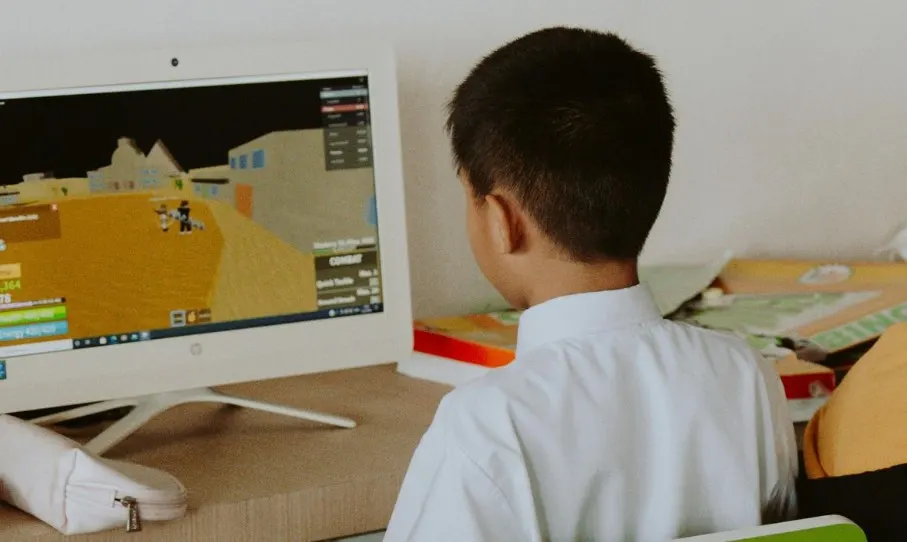
Psychologists reveal the impact of online games on children and explain why physical play is better for supporting children's creativity, focus, and growth.
Inikabarku.com - Clinical and Family Psychologist Pritta Tyas explained the different impacts of physical play and online games on child development. Physical play is considered to be able to enhance creativity, problem-solving skills, and mental resilience. Meanwhile, excessive use of online games has the potential to affect a child's focus and sleep quality.
In the digital era, children are increasingly familiar with gadgets and online games. However, Clinical and Family Psychologist Pritta Tyas considers physical play to still be the best option to support child development. According to her, play activities that involve direct interaction with physical objects are able to train creativity, problem-solving skills, and build mental resilience from an early age.
Technological advancements mean that children now have more entertainment options, including playing online games through various digital devices. Nevertheless, experts believe that physical play still has greater benefits for the child's developmental process.
Clinical and Family Psychologist Pritta Tyas explained that physical play or hands-on learning provides a learning experience that cannot be fully replaced by digital games.
According to her, simple activities like stacking blocks or Lego can help children develop creativity and critical thinking skills. During play, children are required to find solutions, follow instructions, and face various challenges that arise during the process.
"When a child sees a pile of Lego bricks in front of them, they can look for several alternative ways to solve a problem. That's what trains creativity," said Pritta.
Not only creativity, but physical play also helps children develop problem-solving skills and build resilience. Children learn to understand that mistakes and failures are part of the process towards success.
In addition, physical play also trains visual-spatial skills which are important for various future professions, such as architects, designers, and those in creative fields.
Nevertheless, Pritta does not reject the use of digital technology. She emphasized that children still need to be familiar with technology as part of modern life.
However, specifically for online games, parents are asked to be more careful in giving access to children. According to her, the use of online games needs to be adjusted to the child's age and developmental stage.
Pritta believes that excessive exposure to online games can make children accustomed to seeking instant stimulation. This condition has the potential to disrupt a child's learning focus and sleep quality.
This phenomenon is known as popcorn brain, which is a condition where the brain constantly receives rapid stimulation, making it difficult to concentrate on activities that require longer focus.
Therefore, children still need time for active movement, outdoor play, and direct interaction with family and peers.
For children from early childhood up to around eight years old, Pritta suggests that play activities should be more focused on physical play rather than digital games.
According to her, the role of parents is not just to limit technology use, but to understand the child's needs according to their developmental stage and provide appropriate guidance during the learning and playing process.